your path to healthcare starts with cna classes new britain ct
Transform Your Career: An In-Depth Guide to CNA Classes and Career Opportunities
The journey to becoming a Certified Nursing Assistant (CNA) presents an opportunity for a fulfilling profession in the healthcare field. This overview details key elements including locating accredited programs, grasping core duties, and working through the certification journey. With a focus on crucial skills and ongoing education, future CNAs may investigate diverse job opportunities. However, the real question remains: what actions are needed to secure success in this vital profession?
Take the First Step: Locating CNA Programs
How does one begin the journey to obtaining the title of a Certified Nursing Assistant (CNA)? The journey typically involves exploring certified CNA courses that comply with state standards. Prospective students should take into account factors such as program format, tuition, and location. A wide range of healthcare facilities, community colleges, and trade schools offer these programs, with varying lengths and structures, including digital course formats.
When programs are selected, candidates are required to validate their credentials by reviewing state licensing boards for authorization. Registration typically demands a GED or high school diploma, along with physical examinations and background checks.
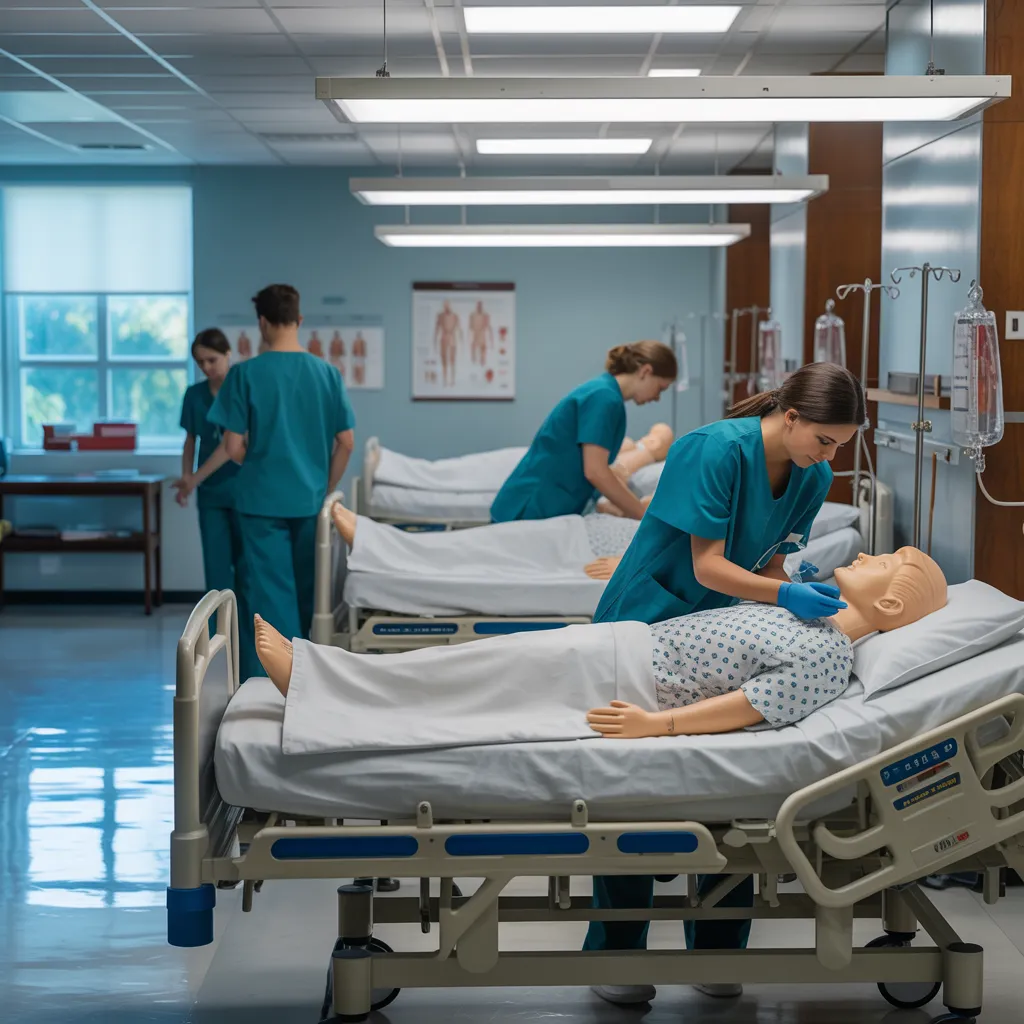
After selecting a suitable program, students will participate in both hands-on clinical training and classroom instruction, essential for developing skills necessary for patient care. This critical phase not only equips students for the certification examination but also establishes the foundation for a fulfilling healthcare career.
What Is a CNA and Why Choose This Career?
A Professional Nursing Assistant serves a vital function in the medical field by delivering crucial aid to patients and nursing staff. Their duties encompass assisting with daily living activities, monitoring patient conditions, and maintaining patient well-being. Pursuing a career as a CNA comes with significant rewards, including employment security, flexible scheduling, and pathways for growth in the medical field.
Fundamental Responsibilities Of CNAs
Certified Nursing Assistants (CNAs) play an important role in the medical field, delivering indispensable support to patients and healthcare staff. Their main functions involve assisting patients with daily activities such as bathing, dressing, and grooming, maintaining patient comfort and dignity. CNAs monitor crucial signs, report changes in patients' conditions to the nursing team, and help with mobility and physical exercises. They also document patient care and maintain a clean and safe environment. Furthermore, CNAs frequently act as an essential bridge of communication between patients and medical professionals, championing patient needs and preferences. Their devotion and meticulous approach considerably elevate the level of care in healthcare facilities, rendering them essential contributors to the healthcare team.
Advantages Of CNA Careers
The role of a Certified Nursing Assistant (CNA) offers numerous advantages, making it a compelling option for those entering the healthcare field. CNAs enjoy a high degree of job stability, as the demand for healthcare professionals continues to rise. CNAs find meaningful fulfillment by engaging directly with patients, enabling Certified Nursing Assistants to positively influence the well-being of those in their care. Furthermore, this profession supports adaptable work schedules, making it an excellent fit for those with outside obligations. CNAs can also pursue further education and specialization, paving the way for advancement in the healthcare field. Strong pay and comprehensive benefits add to the overall value of this career path, allowing committed CNAs to experience both monetary and emotional gratification in their daily roles.
Essential Skills and Responsibilities of a CNA
Understanding fundamental skills and accepting vital responsibilities characterize the role of a CNA. Certified Nursing Assistants need to display exceptional communication proficiencies, empowering them to efficiently connect with patients, families, and healthcare professionals. Compassion and empathy are indispensable, as they deliver emotional guidance to people dealing with healthcare obstacles.
Moreover, CNAs play a key role in aiding patients with everyday tasks, such as dressing, bathing, and eating, while maintaining their comfort and dignity. They are additionally expected to observe critical health indicators and communicate any changes to the nursing staff, reflecting their keen attention to detail and critical thinking.
Strong time management and organizational skills are critical, as CNAs often juggle multiple tasks in fast-paced environments. Moreover, they must comply with safety and hygiene protocols to safeguard both themselves and those in their care. By developing these abilities and meeting these obligations, CNAs play an integral role in providing exceptional patient care.
Understanding the CNA Certification Process
Working through the CNA certification process demands a clear understanding of the specific requirements set by regulatory bodies. This includes fulfilling required coursework and examine guide meeting clinical training hours. Successfully meeting these criteria is vital for CNA candidates to earn their credentials and advance in their careers.
Understanding Certification Requirements
Grasping the certification standards for becoming a CNA (CNA) is essential for aspiring healthcare professionals. To obtain certification, candidates typically must finish a state-approved training program covering both academic concepts and hands-on abilities. After completing this step, individuals must clear a proficiency assessment that includes both theoretical and practical elements. Individual states establish their unique requirements regarding the certification process, including requirements related to age, academic qualifications, and criminal history checks. It is critical for candidates to familiarize themselves with their state's guidelines to guarantee compliance. Moreover, maintaining certification often requires regular professional development and credential updates, emphasizing the significance of staying informed about any changes in regulatory requirements. This essential understanding sets the stage for a rewarding profession in healthcare support.
Concluding Clinical Training
Accomplishing hands-on clinical education is a crucial step in the process to becoming a professional nursing assistant (CNA). This practical experience is invaluable for developing core competencies required in patient care. During clinical training, students are guided by the supervision of qualified medical staff, becoming familiar with professional medical facilities. They acquire important skills, such as taking vital signs, assisting with personal hygiene, and addressing the needs of patients. Additionally, hands-on clinical education allows students to utilize theoretical knowledge acquired in the classroom, deepening their understanding of optimal care procedures. The successful fulfillment of this training is frequently a necessary condition for certification exams. Ultimately, this experience empowers aspiring CNAs with the skills and assurance required to thrive in their careers.
CNA Job Prospects and Work Environments
CNA employment options are wide-ranging, providing numerous work environments suited to different interests and abilities. CNAs can secure positions in hospitals, nursing homes, assisted living facilities, and home health care settings, each providing its own set of challenges and gratifying experiences. In hospitals, CNAs support nursing staff by providing direct patient care and assisting with daily activities. In nursing homes and assisted living facilities, the emphasis is on long-term care, allowing CNAs to build meaningful bonds with residents and improve their overall well-being. In home health care, CNAs enjoy the autonomy of working independently while delivering individualized care within patients' residences. Furthermore, certain CNAs may pursue positions in rehabilitation centers, educational institutions, or hospice care, all of which demand empathy and effective communication abilities. Such diversity allows CNAs to identify environments that reflect their career objectives and individual preferences, making the profession a compelling choice for many entering the healthcare industry.
Tips for Transitioning to Your Role as a CNA
Stepping into the role of a Certified Nursing Assistant professional can be both thrilling and difficult for newcomers. To support a successful adjustment, it is critical to embrace specific techniques. First, understanding the workplace culture can meaningfully strengthen communication with staff and patients. Watching carefully and inquiring helps new nursing assistants adjust to their surroundings.
Building a regular routine can be highly advantageous; it helps with effective time management and guarantees that all responsibilities are fulfilled. Developing strong communication skills is crucial, as CNAs frequently act as a link between patients and healthcare professionals. Additionally, maintaining a positive attitude can foster a supportive atmosphere, creating positive outcomes for both the CNA and those they serve.
Finally seeking guidance from skilled CNAs can deliver meaningful guidance and actionable advice, making the adjustment more manageable. By adopting these approaches, beginners can effectively embrace their updated duties and flourish in their positions as CNAs.
Ongoing Education and Professional Growth for CNAs
Broadening expertise through ongoing education can significantly improve the professional path of a Certified Nursing Assistant. By obtaining advanced credentials, CNAs can focus on fields including pediatrics, mental health, or gerontology, making them more competitive in the job market. Numerous employers seek professionals with advanced qualifications, which can lead to enhanced employment security and elevated earning potential.
In addition, professional development programs frequently provide professional networking opportunities, bringing CNAs together with industry professionals and mentors in the healthcare field. Participating in workshops and conferences can further keep CNAs up to date on the most recent advancements in healthcare techniques and regulatory standards.
Moreover, some CNAs choose to advance their careers by transitioning into licensed practical nurses (LPNs) or registered nurses (RNs), requiring further education and training. This upward mobility not only improves personal satisfaction but also improves the overall level of care offered in healthcare facilities, thereby benefiting both patients and the wider community.
Questions We Often Receive
What Is the Average Salary for a CNA?
The standard pay for a Certified Nursing Assistant (CNA) commonly sits in the range of $25,000 to $35,000 each year, influenced by factors like location, experience, and the type of healthcare facility in which they work.
What Are the Age Requirements for Enrolling in CNA Classes?
Most states mandate students to be a minimum of 18 years of age to register for CNA classes. Nevertheless, certain programs may admit students as young as 16 years old with parental consent, providing an early start in the healthcare field.
How Long Does It Generally Take to Complete a CNA Program?
CNA programs typically take four to twelve weeks to successfully complete, depending on the institution and course structure. This duration includes both classroom instruction and hands-on clinical training, readying students for professional certification and job placement.
Can I Work as a CNA While Studying?
Absolutely, candidates can be employed as a CNA while pursuing their coursework, given that they handle their time management well. Numerous programs provide adaptable scheduling options, enabling prospective CNAs to gain practical experience alongside their education, enhancing their skills and employability.
What Challenges Do New CNAs Commonly Face?
Newly certified CNAs regularly deal with obstacles like intense emotional pressures, bodily tiredness, struggles with time management, and managing intricate patient demands. Furthermore, getting accustomed to fast-paced environments and navigating professional relationships with fellow staff can be notably daunting.